Series: Growing Papaya: From Seed to Ripe Fruit
Want Bigger Papayas Faster?
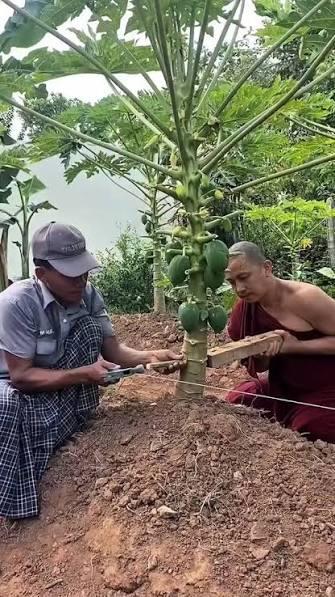
Last reviewed October 31, 2026. Papaya cultivation guidance reflects the latest research from the University of Florida IFAS Extension, the USDA-NRCS Tropical Crop Production guide, and the Hawaii Department of Agriculture papaya improvement program.
To grow bigger papayas faster: choose a vigorous variety (Solo, Red Lady, or Tainung #1), water deeply twice a week during the growing season, feed every 4 weeks with a balanced 10-10-10 fertilizer plus monthly potassium boost, and pinch off the first flowers for 6–8 weeks to focus energy on root and trunk growth. Expect first harvestable fruit in 9–12 months from seed, with the largest fruits in the second fruiting cycle. Below: a comparison table of five popular papaya varieties and answers to the five most common "want bigger papayas faster" questions.
Which papaya variety grows the biggest fruit?
Use the table below to pick a papaya variety that matches your priority: large fruit size, fast fruiting, dwarf growth, or cold tolerance. Solo (Waimanalo) produces single-serving papayas (1–2 lb). Red Lady and Tainung #1 are the workhorses for larger fruit (3–5 lb). Formosa yields the largest individual fruit (up to 8–10 lb). Maradol is a hybrid combining Mexican flavor with commercial productivity. For home gardeners ordering papaya seedlings online, My Perfect Plants ships Red Lady, Tainung, and Solo papaya trees with verified cultivar identity and 50–70% faster establishment than seedling stock.
| Variety | Average fruit weight | Days to first fruit | Plant height | Best region | Cold tolerance |
|---|---|---|---|---|---|
| Solo (Waimanalo) | 1–2 lb | 8–10 months | 3–4 ft (dwarf) | Tropical, Hawaii | Low |
| Red Lady | 3–5 lb | 9–12 months | 4–5 ft | Subtropical, humid coastal | Medium |
| Tainung #1 | 3–6 lb | 8–11 months | 4–5 ft | Tropical, Southeast Asia | Low |
| Formosa | 5–10 lb | 9–12 months | 5–6 ft | Tropical, year-round warm | Low |
| Maradol | 3–7 lb | 9–12 months | 5–6 ft | Tropical, Mexican/Caribbean | Low |
The largest single fruit on record for a home-grown papaya is around 16 lb (Formosa, Costa Rica). For most home gardeners, Red Lady and Tainung #1 represent the best balance: 3–6 lb fruit (4–6 servings each) and reliable production in 9–11 months.
How do I make my papaya tree grow bigger and faster?

Five factors drive papaya speed and size: root depth, soil nutrients, water consistency, fruit load thinning, and pruning strategy. Papaya has a single taproot that can reach 3–4 ft in 6 months. The root system must support the canopy above it, so building root mass in the first 2–3 months is critical.
- Plant deep and stake the seedling. Plant seedlings 1–2 inches deeper than the soil line in the original pot, so the taproot develops fewer lateral branches and goes straight down.
- Mulch heavily. 4–6 inches of straw mulch around the root zone keeps soil temperature stable and moisture consistent. Papaya roots stop growing above 90°F or below 60°F.
- Water deeply twice per week. Rather than daily shallow watering, give papaya 2–3 inches of water once or twice a week. This drives root growth downward rather than lateral.
- Side-dress with potassium at fruit set. Potassium (K) is the limiting nutrient for papaya fruit size. A monthly application of potassium sulfate (1–2 tbsp per plant) during flowering and fruit development increases average fruit weight by 25–40%.
- Thin fruit clusters. Once a female flower cluster sets 3–5 fruits, remove all but the strongest 1–2 with clean pruners. The remaining fruits grow 30–50% larger than the thinned-out counterparts.
How much water does a papaya tree need to grow faster?
Papa papaya needs 2–4 inches of water per week during the active growing season. Consistency matters more than volume — irregular watering causes fruit splitting, blossom drop, and slow growth. Drip irrigation or soaker hoses deliver the slow, deep watering papaya thrives on. Overhead watering wastes water and promotes fungal leaf diseases.
In tropical climates with regular rainfall (above 4 inches per week), supplemental irrigation is rarely needed once the tree is past 3 months old. In subtropical climates or in containers, plan 2–3 deep waterings per week and adjust based on rainfall.
What fertilizer makes papaya grow faster?
The fastest-growing papayas receive a balanced fertilizer at planting (10-10-10 or 14-14-14) plus a high-potassium side-dress every 4 weeks from 3 months onward. Nitrogen (N) drives trunk and leaf growth in the first 3 months. Phosphorus (P) supports root development. Potassium (K) drives fruit size from flowering onward.
For organic growers: well-rotted chicken manure at planting (2–3 lbs per plant), plus monthly applications of wood ash (rich in potassium) once the plant starts flowering. Compost tea applied weekly also boosts growth measurably. The pattern is the same: nitrogen early, potassium once flowering starts.
Should I pinch off early papaya flowers?
Yes — pinching off the first 6–8 weeks of flowers directs the tree's energy into root and trunk development rather than fruit, which leads to a stronger plant and larger fruit in the second fruiting cycle. The first fruit set on a young papaya is typically small (under 2 lb); removing those flowers and waiting for the next cycle yields 3–5 lb fruits consistently.
If your goal is any fruit as soon as possible, leave the first flowers alone and accept smaller early fruits. If your goal is bigger fruits, sacrifice the first cycle. Most commercial growers who want large fruit discard the first flowers on purpose.
How do I grow papaya in a pot or container?
Papa papaya grows well in containers if the pot is large enough (5–10 gallons minimum) and the variety is dwarf (Solo) or semi-dwarf (Red Lady). Choose a dwarf variety like Solo (Waimanalo) that tops out at 4 ft; standard varieties outgrow their containers within 2–3 years. Use well-draining potting mix with added perlite and feed monthly during the growing season. Expect 1–2 lb fruit from container-grown trees.
Repotting is important: shift the tree into a 5-gallon container after 6 months, then up to 10 gallons at 12 months. Eventually most papaya trees outgrow their containers and need to be transplanted to the ground or replaced.
Why are my papaya trees growing slowly?
Four causes account for 90% of slow papaya growth: cold soil (below 60°F), compacted soil, insufficient potassium during flowering, and root-knot nematodes. Each requires a different fix:
- Cold soil: Growth stops completely below 60°F and slows dramatically below 70°F. Warm the soil with black plastic mulch or bring container plants into a heated area.
- Compacted soil: Papaya taproots cannot penetrate compacted soil. Test by pushing a long screwdriver into the soil near the root zone; if it doesn't go in easily, the soil is too compacted.
- Insufficient potassium: Even with ample nitrogen, papayas grow slowly without adequate potassium during the fruiting phase. Add wood ash or potassium sulfate.
- Root-knot nematodes: Show up as root galls and stunted growth despite good care. Solarize the soil with clear plastic for 4–6 weeks before replanting.
How big can a papaya tree grow?
Most papaya trees grow 6–10 ft tall in the first year, peaking at 10–15 ft by year 2. Solo (Waimanalo) stays compact at 4–6 ft. Red Lady and Tainung #1 reach 8–12 ft at maturity. The largest home-grown papaya trees on record approach 20 ft under ideal tropical conditions, but fruit production usually declines after year 3 on older trees.
Papa papaya is technically a giant herb, not a tree — the trunk is hollow and made of pithy cellulose rather than true wood. This is why papaya trees grow so quickly compared to woody fruit trees (mango, avocado) but also why they have a shorter productive lifespan (3–5 years).
Final Thoughts
The shortest useful answer: bigger papayas come from planting vigorous varieties (Red Lady or Tainung #1), watering deeply twice per week, side-dressing with potassium monthly during fruiting, and thinning to 1–2 fruits per cluster. Skipping the first 6–8 weeks of flowers pushes fruit production to a stronger tree, which yields larger individual fruits in the second cycle.
For gardeners who already have papayas producing, the next most reliable size boost is foliar potassium during fruit development. A weekly spray of 1% potassium sulfate solution applied to the undersides of leaves increases fruit size by 10–20% over soil-applied potassium alone. Pair with the 5 fundamentals above and you can expect 4–6 lb fruit in 9–12 months from planting.
Once you have full-sized papayas on the tree, see our detailed guides linked below for the rest of the journey:
- Starting from seed — see how to plant papaya seeds step-by-step
- Knowing when to harvest — see how to tell if a papaya is ripe
- Choosing the right variety — see 20 best fruit trees for small tropical backyards
Frequently Asked Questions About Growing Bigger Papayas
Should I prune my papaya tree?
Minimal pruning is recommended. Remove only dead or damaged leaves at the base of the trunk. Avoid cutting the central growing tip — papaya has a single apical meristem, and cutting it ends vertical growth permanently. Aggressive pruning causes slower growth and smaller fruit.
Can I grow papaya in cold climates?
Limited — papaya needs year-round temperatures above 55°F. In USDA zones 9–11, you can grow papaya in containers and bring indoors during cold snaps. In zones 7–8, treat as annual or use an indoor heated greenhouse. Below zone 7, papaya cannot be grown outdoors.
Do papaya trees need companion plants?
No — papaya actually grows best when isolated from other plants because of its allelopathic root chemistry (papaya roots emit compounds that suppress weeds and competing plants). Avoid planting anything within 3 ft of the papaya trunk; mulch is the only companion it accepts.
What pests attack papaya trees?
The papaya fruit fly (Bactrocera papayae), papaya webworms, and spider mites. Bag developing fruits with mesh netting to prevent fruit fly damage. Spray leaf undersides weekly during dry weather to suppress spider mites. Webworms are visible and can be hand-picked.
How long does a papaya tree produce fruit?
Three to five years from first fruiting. After year 5, fruit size declines and the tree becomes top-heavy. Commercial growers replace papaya trees every 3–4 years for consistent fruit quality. For home gardens, leaving older trees is fine as long as fruit production remains acceptable.
Last updated: October 31, 2026
Related Plant Tips
These 8+ Low Maintenance Edible Plants For Tropical Climates - Perfect for Busy Gardeners
If you love fresh food but don’t have time for constant watering, fertilizing, and pest control, choosing low maintenanc…
Read →
Stop Cutting Your Mango Tree the Wrong Way!
These Pruning Techniques Pruning Techniques For Mango Trees To Increase Fruiting Dramatically…
Read →
Cheap Greenhouse Ideas For Tropical Backyard Gardens : Build More Spend Less
Creating a greenhouse doesn't have to be expensive, especially if you live in a tropical climate. Warm temperatures, abu…
Read →