These 8+ Low Maintenance Edible Plants For Tropical Climates - Perfect for Busy Gardeners
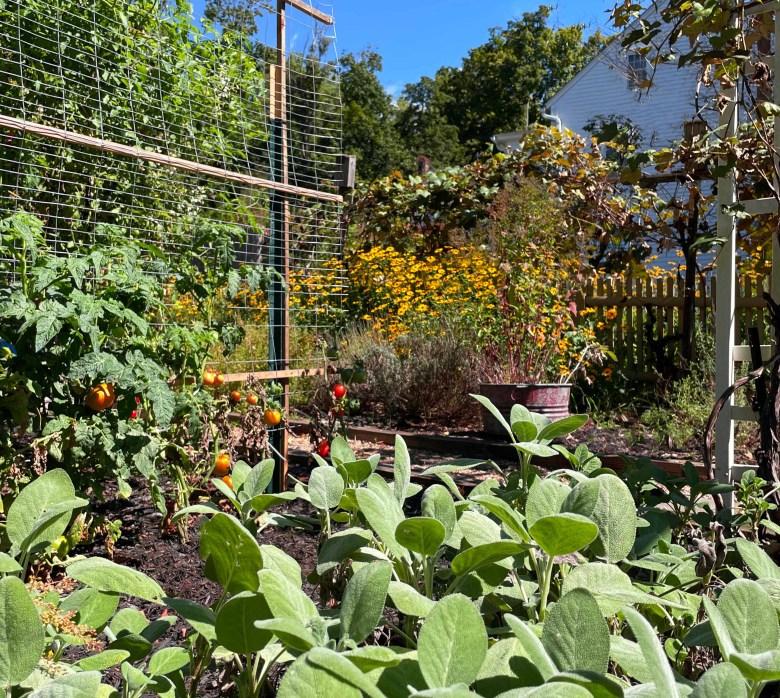
If you love fresh food but don’t have time for constant watering, fertilizing, and pest control, choosing low maintenance edible plants for tropical climates is the smartest way to build a productive garden. Tropical regions offer warm temperatures and long growing seasons, which means many edible plants can thrive with surprisingly little effort once established.
One way is selecting crops that tolerate heat, humidity, and occasional dry periods while continuing to produce food throughout the year. According to tropical gardening experts, plants that are naturally adapted to hot, sunny environments usually require less maintenance and are more resilient than crops introduced from cooler climates.
Why Choose Low Maintenance Edible Plants for Tropical Climates?
One of the biggest advantages of low maintenance edible plants for tropical climates is that they reduce the amount of daily garden work. These plants are generally more resistant to heat stress, recover quickly after heavy rain, and need less watering than many temperate vegetables. They also tend to attract fewer serious pests when grown in their preferred conditions.
In sustainable gardening, heat-tolerant edible plants are recommended for areas that receive intense sunlight because they can withstand high temperatures better than many traditional leafy vegetables, which tend to wilt or bolt quickly. Many tropical crops continue producing even during the hottest months of the year.
Best Low Maintenance Edible Plants for Tropical Climates
The following are some of the most productive varieties for tropical home gardens:
Moringa (Drumstick Tree)
Moringa is often called a “superfood tree” because its leaves, pods, and flowers are edible and highly nutritious. It grows rapidly, tolerates drought, and needs very little care once established.
Sweet Potato
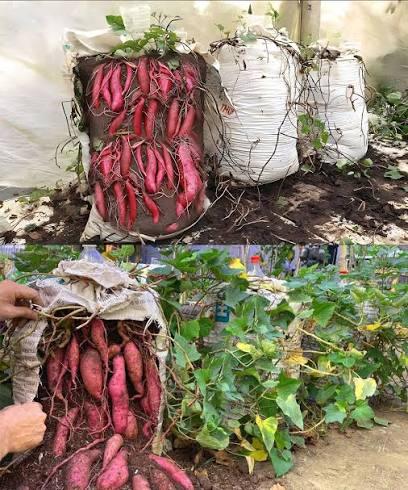
Both the tubers and the leaves of sweet potato are edible. The vines spread quickly, suppress weeds naturally, and continue growing even in hot weather.
Malabar Spinach
Unlike regular spinach, Malabar spinach thrives in heat and humidity. It climbs vertically, making it ideal for small gardens and balconies.
Cassava
Cassava is one of the most reliable tropical food crops. It tolerates poor soil and irregular rainfall while producing energy-rich roots that can be harvested months after planting.
Chaya (Tree Spinach)
This perennial leafy vegetable produces large quantities of edible leaves and requires minimal watering and maintenance.
Pigeon Pea
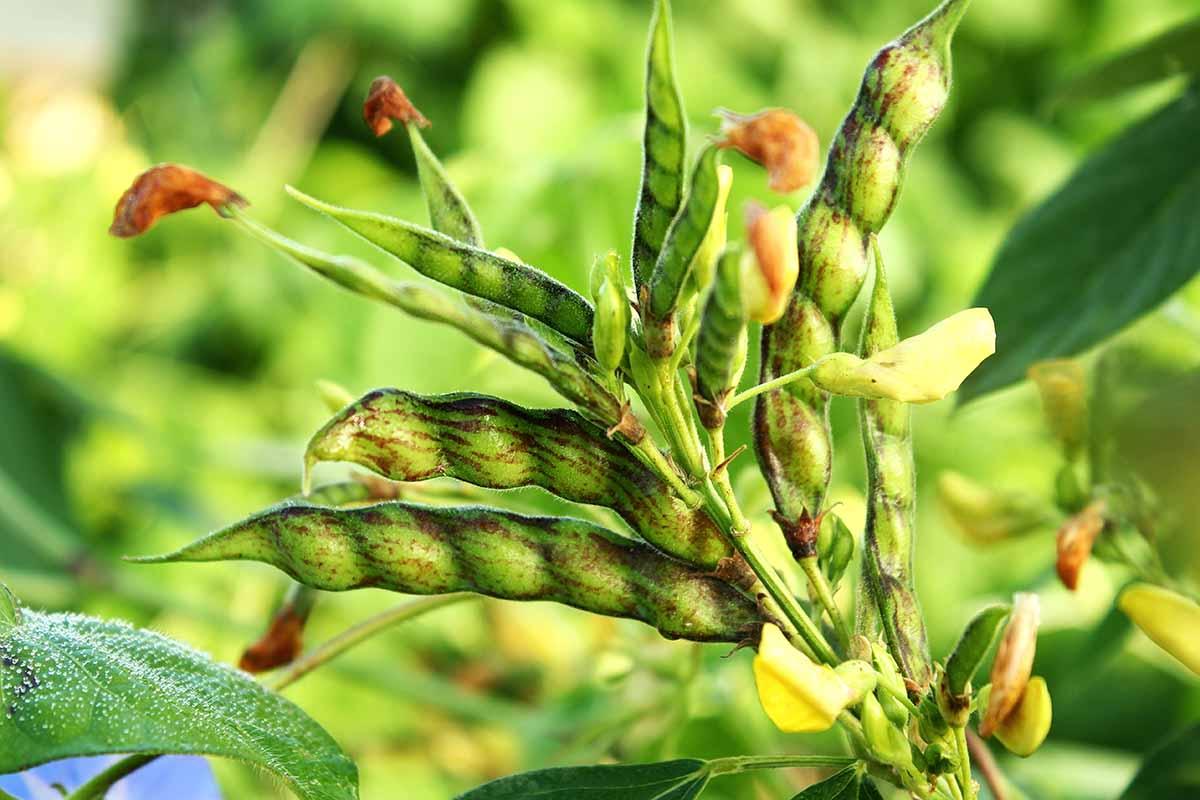
Pigeon pea is a hardy legume that improves soil fertility by fixing nitrogen while providing edible peas and young leaves.
Banana
Banana plants are surprisingly low-maintenance in tropical regions. Once established, they need regular moisture and occasional feeding but can produce fruit for many years.
Turmeric and Ginger
These rhizomes grow well in partial shade and require little attention beyond keeping the soil moist. They are excellent choices for edible landscaping.
Heat-Tolerant Crops That Keep Producing
Gardening experts emphasize that crops such as okra, amaranth, Malabar spinach, and sweet potato as heat-tolerant edible plants that continue producing during periods of intense heat when many other vegetables struggle. Because they are well adapted to tropical climates with intense sunlight, these plants can maintain steady production while requiring less care than many other edible crops.
Build a Low-Maintenance Tropical Garden
To get the best results from low maintenance edible plants, focus on creating healthy soil rather than relying heavily on fertilizers. Add compost before planting, use mulch to retain moisture, and group plants with similar water needs together.
Perennial crops such as moringa, chaya, banana, and pigeon pea are especially valuable because they keep producing year after year without needing to be replanted each season. Combining perennial trees with fast-growing vegetables creates a resilient food garden that requires less work over time.
Choosing low maintenance edible plants for tropical climates is one of the easiest ways to enjoy fresh, homegrown food without spending hours in the garden every day. By selecting plants that are naturally adapted to tropical environments and improving your soil with organic matter, you can create a productive garden that practically takes care of itself.
Related Plant Tips
Stop Cutting Your Mango Tree the Wrong Way!
These Pruning Techniques Pruning Techniques For Mango Trees To Increase Fruiting Dramatically…
Read →
Want Bigger Papayas Faster?
Learn How To Grow Papaya Faster With Organic Soil Boosters…
Read →
Cheap Greenhouse Ideas For Tropical Backyard Gardens : Build More Spend Less
Creating a greenhouse doesn't have to be expensive, especially if you live in a tropical climate. Warm temperatures, abu…
Read →