Stop Cutting Your Mango Tree the Wrong Way!
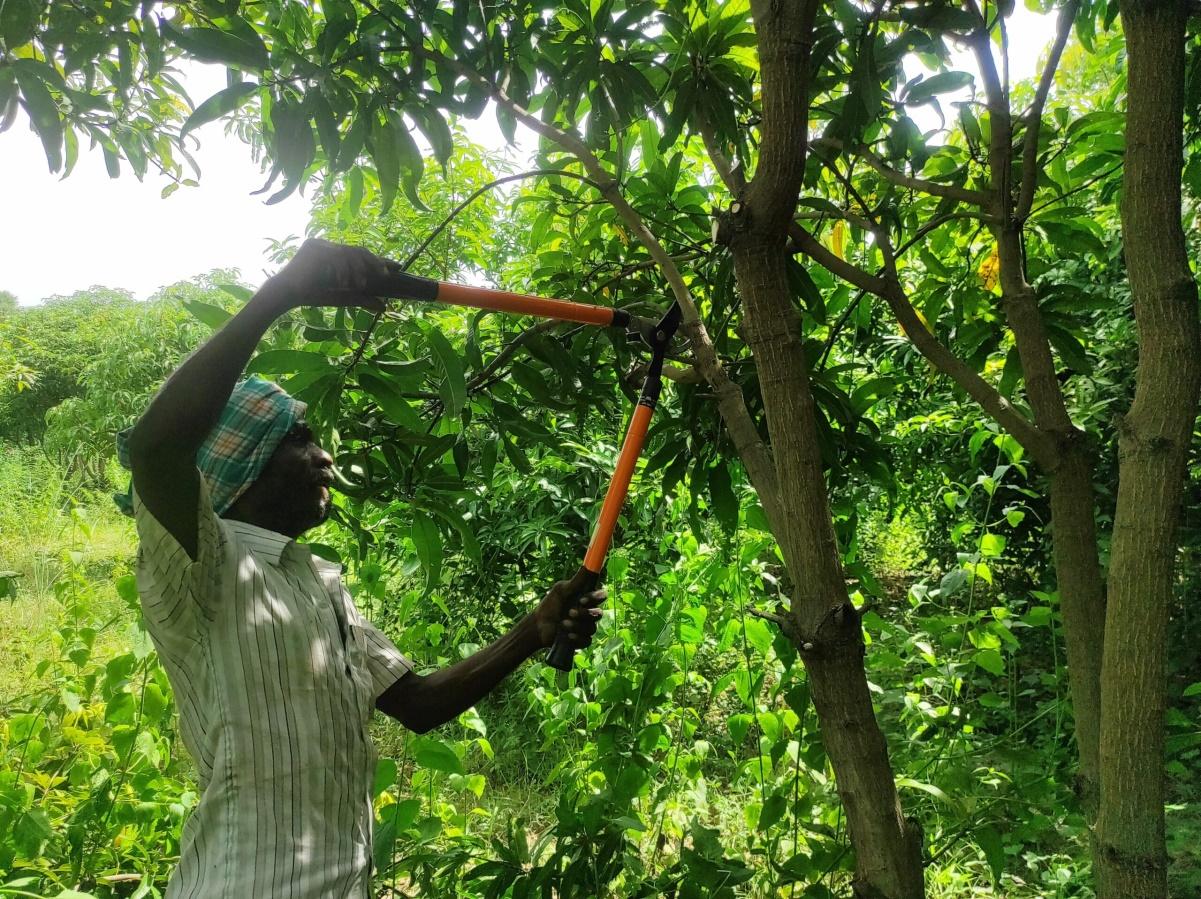
These Pruning Techniques Pruning Techniques For Mango Trees To Increase Fruiting Dramatically
Many gardeners believe that more fertilizer is the secret to bigger mango harvests. In reality, proper pruning techniques for mango trees to increase fruiting often have an even greater impact. Strategic pruning improves sunlight penetration, increases airflow, removes unproductive branches, and encourages the tree to produce healthier flowering wood. When done correctly, it not only keeps your mango tree manageable but also leads to larger, sweeter, and more abundant harvests.
Whether you have a mature backyard tree or a young grafted mango, understanding the right mango tree pruning methods can significantly improve fruit production year after year.
Why Pruning Is Essential for Better Fruiting
Learning pruning techniques for mango trees to increase fruiting starts with understanding how mango trees naturally grow. Left unpruned, mango trees can become extremely large, developing dense canopies that block sunlight from reaching the inner branches. As overcrowding increases, fruit production often declines because fewer productive shoots receive adequate light and airflow.
Proper pruning helps maintain a healthy balance of branches, reduces the risk of pests and diseases, and makes harvesting much easier. It also keeps backyard trees at a practical size instead of allowing them to grow beyond reach.
When Is the Best Time to Prune?
Timing plays a major role in mango tree pruning. Experts recommend pruning immediately after harvesting the fruit rather than during the flowering season. In warm tropical climates, this usually means pruning anytime after harvest but before the next flowering cycle begins.
Young trees benefit from light training during their first few years, while mature trees generally require maintenance pruning every two or three years instead of heavy annual cutting. Pruning at the proper time reduces stress on the tree and allows new productive shoots to develop before the next fruiting season.
Best Pruning Techniques For Mango Trees To Increase Fruiting
If you want healthier trees and larger harvests, follow these proven pruning techniques:
1. Remove Dead, Diseased, and Damaged Branches
Always begin by removing dead, broken, or diseased wood. This improves tree health while preventing pests and fungal diseases from spreading throughout the canopy.
2. Open the Center of the Canopy
One of the most effective Pruning Techniques For Mango Trees To Increase Fruiting is thinning crowded branches. Opening the center allows more sunlight and fresh air to reach the inner canopy, encouraging stronger flowering and healthier fruit development.
3. Shape Young Trees Early
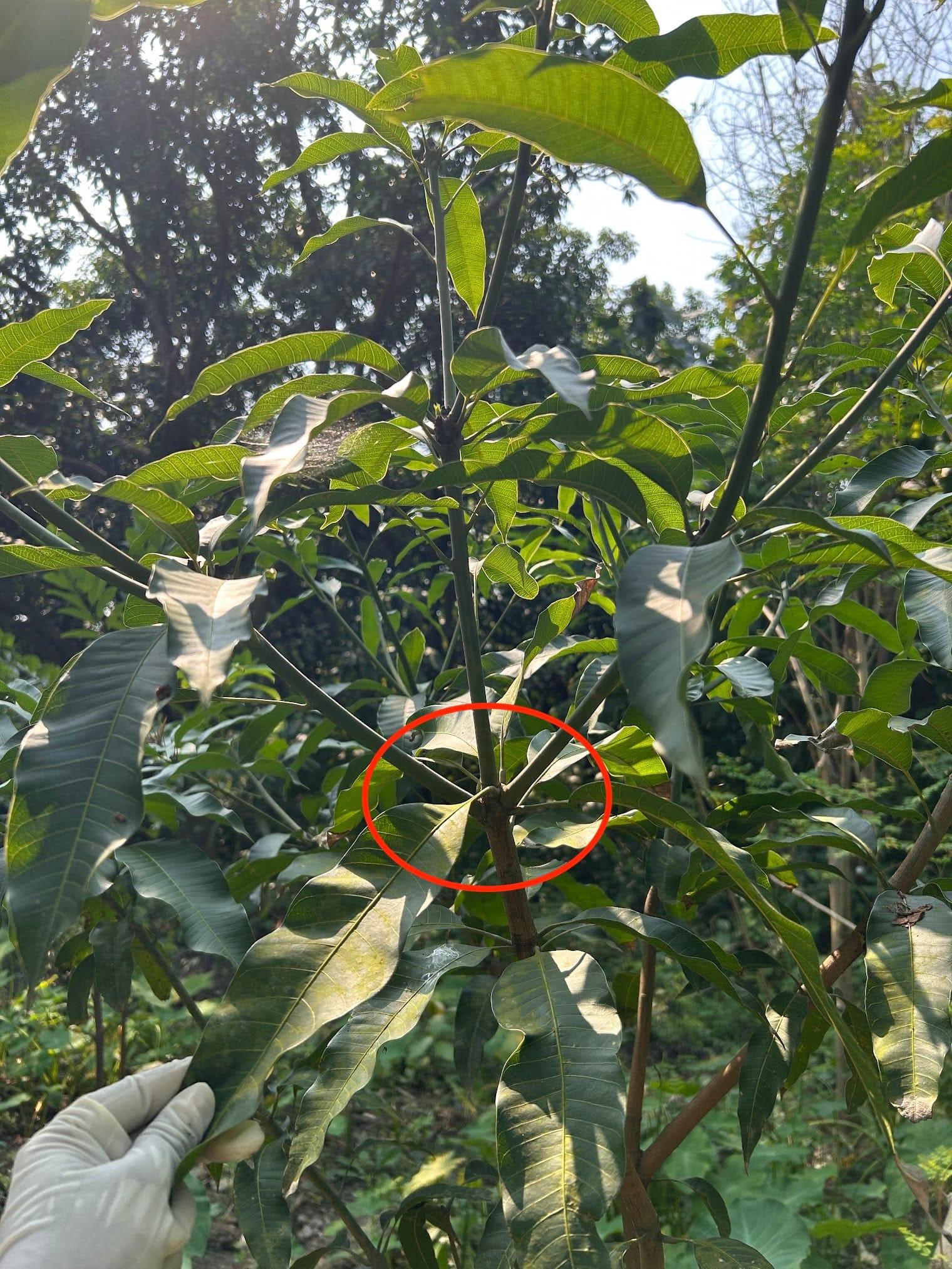
Young mango trees should be trained to develop a strong branching framework. Allow the main shoot to grow to about 2–3 feet before making a light cut at the top. This simple training technique promotes branching, giving the mango tree a balanced canopy that can support heavier harvests in the years ahead.
4. Maintain a Manageable Height
Rather than allowing your tree to become excessively tall, trim the upper canopy regularly. A lower tree is easier to maintain, receives more balanced light distribution, and makes harvesting safer and more efficient.
5. Remove Crossing and Inward-Growing Branches
Branches rubbing against each other create wounds that invite disease. Remove any branches growing toward the center or crossing other limbs to improve airflow and encourage healthy growth.
Tools You'll Need
Successful fruit tree pruning begins with the right equipment. Use clean, sharp pruning shears for small branches, loppers for medium-sized limbs, and a pruning saw for thicker wood. Always disinfect tools before and after pruning to reduce the spread of diseases. Because mango trees produce sap that may irritate the skin, wearing gloves and long sleeves is also recommended.
Common Pruning Mistakes to Avoid
Many gardeners accidentally reduce fruit production by removing too much foliage at once. Heavy pruning forces the tree to focus on producing new leaves instead of flowers. Avoid topping the tree aggressively or pruning during active flowering and fruit development. Likewise, never leave broken stubs after cutting, as they become entry points for pests and fungal infections. Consistent light pruning is far more effective than severe cutting every few years.
Mastering pruning techniques for mango trees to increase fruiting is one of the easiest ways to improve the health and productivity of your mango tree.
Related Plant Tips
Want Bigger Papayas Faster?
Learn How To Grow Papaya Faster With Organic Soil Boosters…
Read →
Cheap Greenhouse Ideas For Tropical Backyard Gardens : Build More Spend Less
Creating a greenhouse doesn't have to be expensive, especially if you live in a tropical climate. Warm temperatures, abu…
Read →
12 Flowers That Attract Butterflies to Your Garden
When planning to attract butterflies, it is essential to choose native plant species. Plants that are native to an area …
Read →