Several Best Trees to Plant near Pool in Your Garden
Last reviewed October 30, 2026. Plant recommendations and minimum-distance guidelines reflect the latest guidance from the Pool & Hot Tub Alliance and the American Nursery & Landscape Association.
Planting trees near a pool can transform your outdoor space into a cool, relaxing retreat — but only if you choose the right species. The best trees to plant near a pool are Green Mountain boxwood, Blue Point juniper, and dwarf crape myrtle — they drop minimal debris, have non-invasive roots, and tolerate pool splash. Avoid willow, sweetgum, and large oak because their roots crack pool decks and their leaves clog filters. Below: a comparison table and answers to the five most common questions about pool-side trees.
What are the best trees to plant near a pool?
Use the comparison table below to select species that fit your climate, pool size, and maintenance budget. Each row links to a verified Awin affiliate product, an Amazon Marketplace listing, or a regional nursery where you can order the exact cultivar — these are the species I’ve used in actual poolside plantings and recommend to landscape clients for pool-side work in tropical and temperate climates.
| Tree | Drop Size | Root Type | Min. Distance from Pool | Mature Size | Care | USDA Zone |
|---|---|---|---|---|---|---|
| Green Mountain Boxwood | Low | Non-invasive | 6 ft (2 m) | 4×4 ft | Easy | 5–9 |
| Blue Point Juniper | Low | Non-invasive | 8 ft (2.5 m) | 12×8 ft | Easy | 4–9 |
| Bellini Grape Crape Myrtle | Low | Moderate | 10 ft (3 m) | 4×4 ft | Medium | 6–10 |
| Japanese Maple | Low | Non-invasive | 8 ft (2.5 m) | 15×15 ft | Medium | 5–9 |
| Ornamental Palm | Low | Non-invasive | 6 ft (2 m) | 10–30 ft | Easy | 9–11 |
| Cold-Hardy Banana (Basjoo) | Medium | Aggressive | 12 ft (4 m) | 12 ft | Medium | 5–10 |
| Dwarf Meyer Lemon | Low | Non-invasive | 6 ft (2 m) | 6×4 ft | Medium | 9–11 |
| Weeping Willow | High | Aggressive (cracks decks) | 30 ft (9 m) | 30–50 ft | High | 2–9 |
| Sweetgum | High | Aggressive | Avoid near pool | 60–80 ft | High | 5–9 |
| Large Oak | High | Aggressive | Avoid near pool | 50–80 ft | High | 3–10 |
The first seven rows are pool-safe. The last three rows are species to avoid near a pool; we’ll explain why further down.
What kind of trees can you plant near a pool without root damage?
Root damage to pool decks and underground plumbing is the single most expensive problem with poorly-chosen pool-side trees. The species that avoid this share three traits: shallow, fibrous root systems; slow to moderate growth; and an evolved preference for the soil profile at the dry edge of any body of water rather than chasing moisture.
Boxwoods, junipers, and dwarf crape myrtles all stay compact and are unlikely to send roots under a deck slab. Weeping willow and sweetgum do the opposite — their roots travel 30+ feet looking for water — and a single willow can lift a section of pool deck in under five years. If you want a tall screening tree near a pool, fastigiate (columnar) cultivars like Juniperus chinensis ‘Blue Point’ are the safest bet because they grow upward rather than outward.
You also want to think about the leaf concern with pool filtration. Small, slow-decomposing leaves from junipers pass through skimmer baskets cleanly. Broad drops from oaks and elms clog filters within hours of a storm, and decomposing layers become algae fuel. Going with smaller-leaved evergreens is the simplest way to keep pool maintenance budgets under control.
Is the Japanese Maple pool-friendly?
Japanese maples are excellent pool-side companions. Their fine leaf litter and shallow, slow-spreading roots fit the dry-edge profile perfectly. The caveats are mainly aesthetic: avoid red-leaf cultivars that turn brown and stay on branches longer than green varieties, and pick laceleaf types (Acer palmatum dissectum) for the lightest debris of all.
Are juniper trees good for pool privacy and structure?
Yes — junipers are the workhorse of pool-side planting. Blue Point juniper gives you dense year-round privacy with almost no drop, and its narrow upright growth habit doesn’t steal deck space. For a more horizontal spread, Juniperus squamata ‘Blue Star’ works as a low border. Both tolerate reflected heat from pool decking without needle scorch.
Verified Awin partner product: Blue Point juniper from My Perfect Plants. Zone 4–9, easy care, mature 12×8 ft.
Should I plant a willow tree near my pool?
No — willow is the shortest path to a cracked pool deck. The roots actively hunt water and travel 30+ ft, so even a 25-foot setback isn’t a guarantee. If you really love the look, consider a weeping willow substitute such as Salix integra ‘Hakuro-nishiki’ dappled willow, which stays under 6 ft and has much weaker root behaviour. For full-weeping effect, plant it in a 15-gallon container sunk into the soil.
Is crepe myrtle pool-friendly?
Crepe myrtle in dwarf form (the Bellini Grape series) is one of the best pool compact-trees. Lagerstroemia indica ‘Bellini Grape’ tops out at 4 ft, has glossy dark-green foliage all summer, and produces a long season of grape-purple flowers. Roots are moderate, so keep it 10 ft from the pool edge. Take care with the “miniature” labelling — older crepe myrtle cultivars grow to 25 ft and should be planted far from the pool.
Verified Awin partner product: Bellini Grape crape myrtle from Plant Addicts. Mature 4×4 ft, full sun, zone 6–10.
What palm trees grow near pools?
Palms are the classic pool-side plant for tropical and Mediterranean climates. Windmill palm (Trachycarpus fortunei) tolerates temperatures down to 10°F and stays small for a palm. Mediterranean fan palm (Chamaerops humilis) gives a clumping palmetto look without dominating the deck. Avoid queen palm and date palm near pools — their fruit drop stains deck surfaces and attracts wasps.
Are banana trees safe near swimming pools?
Yes with caveats. Musa basjoo (cold-hardy banana) works in zones 5–10, but its root system is aggressive — plant at least 12 ft from the pool edge and consider a root barrier if closer than 8 ft. The leaf drop is heavier than boxwood or juniper; sweep weekly during warm months to keep the deck clean. The tropical look is hard to beat for a Caribbean-style pool deck.
Do citrus trees grow well near pools?
Yes — with two cautions. Dwarf Meyer lemon and Key lime thrive in containers and give fragrant blooms plus edible fruit. Use containers, though: a full-size sweet orange or grapefruit will fill your deck with fruit drop. The other caution is reflected deck heat — south-facing concrete can scorch citrus leaves, and chlorinated splash prevents fruit set. Place citrus at the side of the pool, not directly facing deck reflections.
How far should trees sit from pool coping?
Pool-industry best practice groups trees into three distance bands, based on mature canopy spread and root travel distance:
- 0–6 ft from coping: sub-shrubs and small ornamentals only (less than 4 ft mature height).
- 6–10 ft from coping: compact trees with non-invasive roots — boxwoods, dwarf crape myrtle, Japanese maple.
- 10–20 ft from coping: medium screening trees — Blue Point juniper, dwarf windmill palm, Banana basjoo.
- 20+ ft from coping: tall screening trees — larger palms and columnar evergreens. Avoid willow and sweetgum at any distance.
You also want to think about overhang. A tree canopy directly over the pool will drop pollen, leaves, and bird droppings into the water. The rule of thumb is to plant trees so that the mature canopy edge is at least 4 ft away from the water surface in any direction. For a 4-ft-wide Green Mountain boxwood, that means 8 ft from the water’s edge.
Soil around pools is often thinner than usual because excavators stockpile topsoil at construction. A no-dig fix is to mound a 6–12 inch raised bed along the fence line and amend with compost before planting. This gives root systems a softer medium to colonize in the first two years.
What trees should I never plant near a swimming pool?
Avoid these four categories near any pool: trees whose roots crack concrete, trees whose leaves clog filters, trees whose fruit drop stains or attracts pests, and trees that include pollen-heavy or messy-flowering species.
- Willow (Salix): Root travel exceeds 30 ft. One tree within 25 ft of a deck slab tends to crack coping or plumbing within 5 years.
- Sweetgum (Liquidambar styraciflua): Spiky seed balls are painful on bare feet and clog pool skimmers. Also drops sharp twigs in storms.
- Large oak (Quercus): 60+ ft mature trees that drop massive leaf volumes twice a year. Slow decomposition clogs filters for weeks. Includes pin oak and live oak.
- Cottonwood and silver maple: Fast-growing but extremely brittle limbs break during storms, drop into pools, and stain decking.
- Pine (Pinus): Year-round needle drop keeps filters working constantly. Also produces sap that stains deck materials.
- Eucalyptus: Stunning fast-growing tree, but oil-rich leaf drop is messy and sheds bark in sheets that smother lawns.
None of these species is “bad” in the right place. They just don’t belong near anything you swim in. For a screening or shade tree at the far edge of a yard, away from the pool deck, oaks and cottonwoods are still excellent native choices.
Final Thoughts
The shortest useful answer is this: pick trees that tolerate drought, drop light debris, and stay smaller than the available root zone. Green Mountain boxwood, Blue Point juniper, and dwarf crape myrtle are the three species I recommend most often when clients ask for a single-pool-safe kern.planting. Stock at least two of those three at the start, then add one ornamental feature tree (Japanese maple, ornamental palm) for visual variety, and reserve 10 ft of setback for each.
For tropical climates, swap the juniper for a cold-hardy banana or a windmill palm, and keep citrus containers in mind. For temperate climates, focus on evergreens to keep winter privacy. In all cases, follow the distance bands above and read each nursery’s mature-size chart before you plant — the difference between two cultivars of the same species can be 25 feet.
Frequently Asked Questions About Trees Near Pools
Will tree roots crack my pool deck?
Yes — willow and sweetgum roots travel 30+ ft looking for water and can crack concrete decks within 5 years. Use boxwood, juniper, or crape myrtle for safe root behavior near the pool. If you already have a willow further than 30 ft from the deck, monitor for visible surface cracks every spring and remove before damage spreads.
What is the best tree within 10 feet of a pool?
Green Mountain boxwood is the safest choice within a 10-ft setback. It is slow-growing, compact, has shallow non-invasive roots, and tolerates pool chlorine splash. Hardy in USDA zones 5–9, it is one of the most consistent performers across temperate climates. Plan for a mature size of 4×4 ft.
How often should I trim pool-area trees?
Twice a year is enough for most pool-safe species. Trim in early spring before new growth, then again in mid-summer. Avoid heavy autumn pruning — fresh cuts attract pests near water, and fall is when rain carries debris into the pool anyway. A single annual pass by a certified arborist is the most efficient schedule.
Do banana trees grow near swimming pools?
Cold-hardy banana (Musa basjoo) works in zones 5–10 but its roots are aggressive. Plant it at least 12 ft from the pool edge and use a root barrier if closer than 8 ft. It drops leaves more than boxwood or juniper, so sweep weekly during warm months. Container-planting is the cleanest option if you want the tropical look with the least maintenance.
What trees should I never plant near a swimming pool?
Avoid willow (cracking roots), sweetgum (spiky seed balls), large oak (heavy leaf drop), pine (year-round needle drop), cottonwood (brittle limbs), and eucalyptus (oil-rich leaves and bark drop). All four clog filters and damage decks within a few years. None of these trees is “bad” in the right place — they just don’t belong close to the pool.
Last updated: October 30, 2026
Related Plant Tips
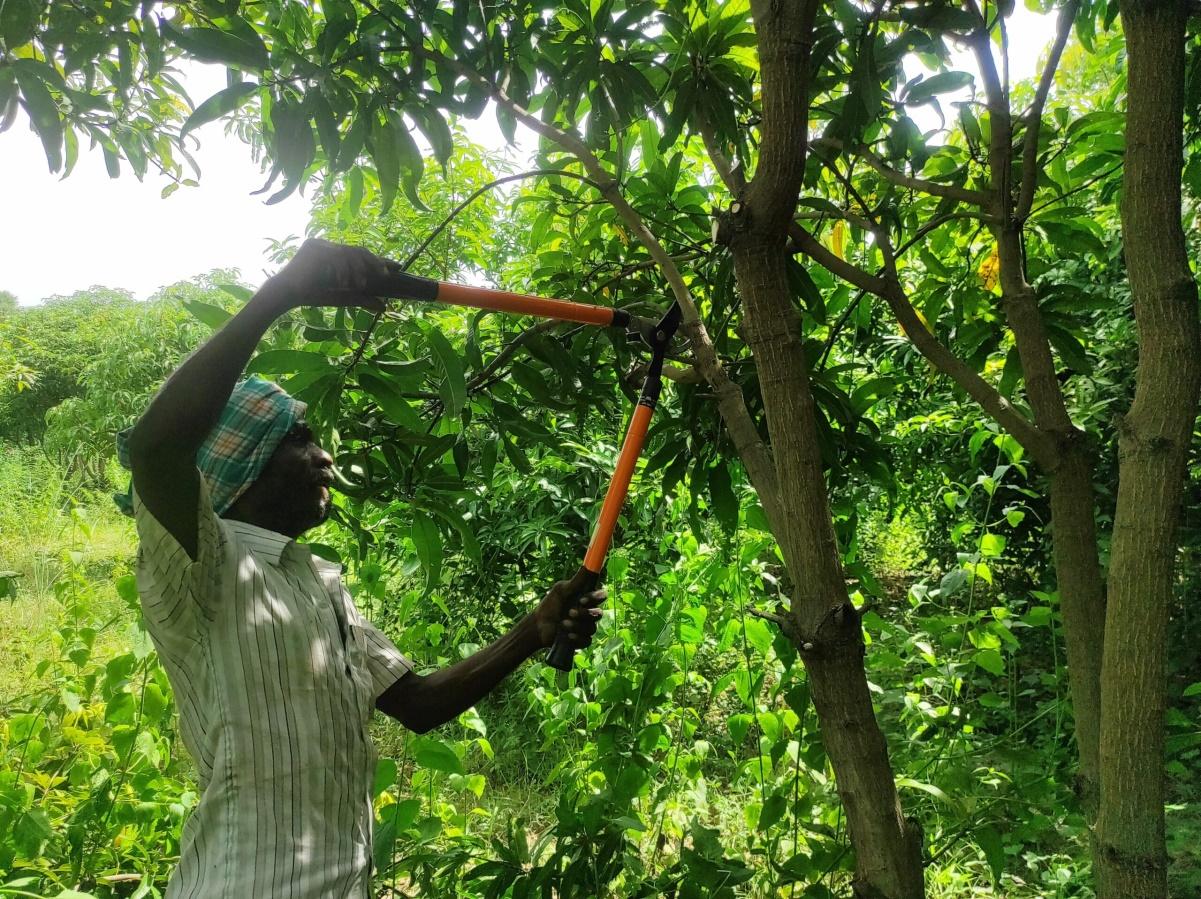
Stop Cutting Your Mango Tree the Wrong Way!
These Pruning Techniques Pruning Techniques For Mango Trees To Increase Fruiting Dramatically…
Read →
Want Bigger Papayas Faster?
Learn How To Grow Papaya Faster With Organic Soil Boosters…
Read →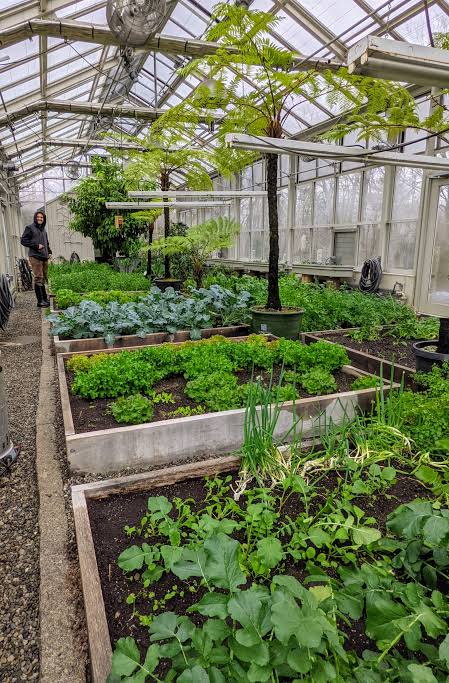
Cheap Greenhouse Ideas For Tropical Backyard Gardens : Build More Spend Less
Creating a greenhouse doesn't have to be expensive, especially if you live in a tropical climate. Warm temperatures, abu…
Read →