Subterranean Termites: Physical Description, Habit, and How to Prevent them
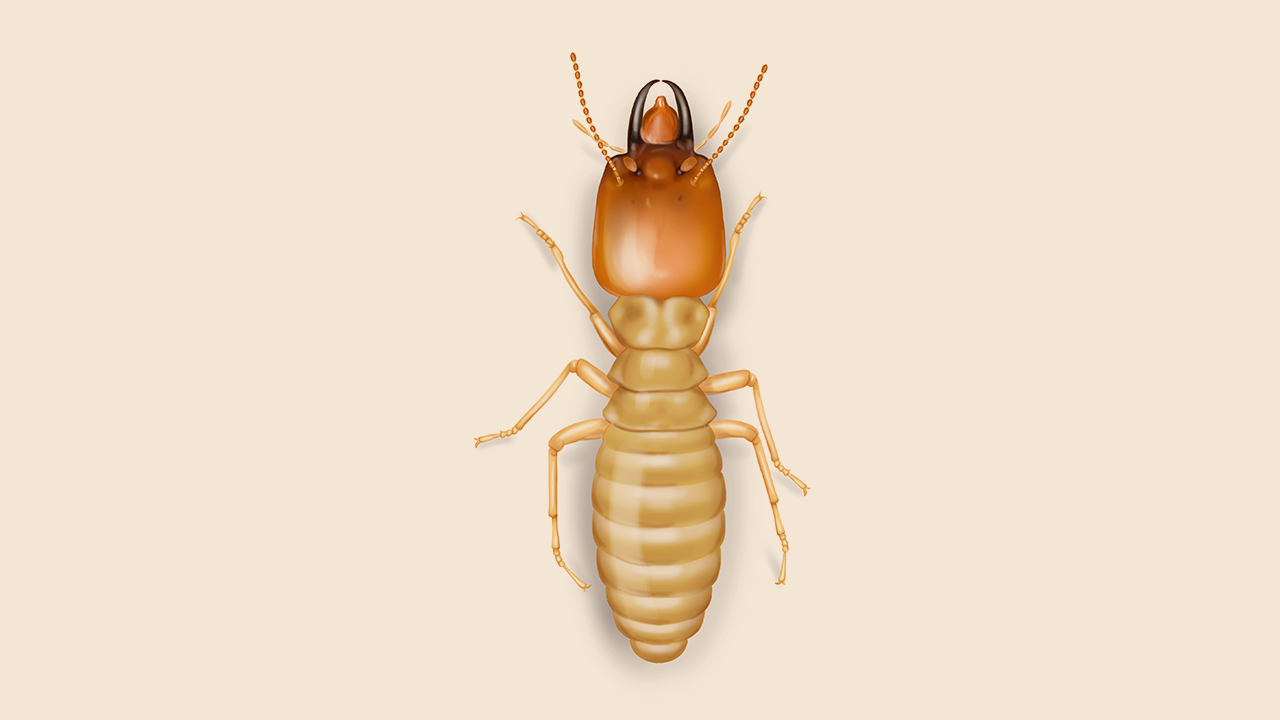
Subterranean termites are one of the most destructive pests that can be found in homes and buildings. These bugs cause a lot of damage to buildings because they live in huge underground colonies and eat wood and other cellulose-based materials. This article will discuss subterranean termites, including information on their physical description, habitat, behaviors, and the management and prevention strategies.
Physical Description
Subterranean termites are actually very small, pale-colored bugs that are about an eighth of an inch to half an inch long. The males, known as soldiers, have larger beaks and jaws, while the reproductives (alates), are often darker and have wings.
The Habitat and Diet
Subterranean termites like damp places, usually near water or places with a lot of humidity. They create mud tubes using soil that connect their underground colonies to their food sources above ground. Termites make their own mud tubes to get food and stay safe.
For the most part, they get their nutrition from wood and other cellulose-based products like cardboard and paper. In the morning after warm, rainy weather, they swarm during the day and can fit into areas as small as 1/16 inch.
Colonies of Subterranean Termites
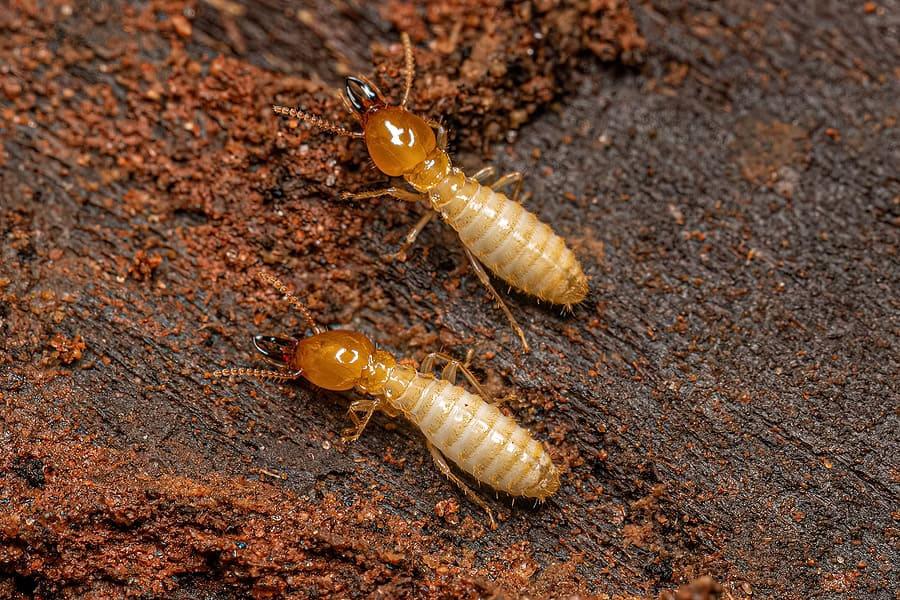
There is a caste structure in the colonies of social insects like subterranean termites. There are usually three separate castes in fully developed colonies, including reproductives, workers, and soldiers, with a total of 60,000 to 2 million.
- Reproductive
The reproductive members of the colony are the queen and king, who are in charge of mating and reproducing. Every day, the queen can lay as many as a thousand eggs. Sometimes throughout the year, "swarmer" (alates) would leave their colonies and start a new one. - Workers
The workers make up the biggest group and are responsible for food gathering, nest repair, and grooming and caring for other nest members. - Soldiers
Soldiers have to protect the colony from invaders. They have huge, armored skulls and keen jaws.
Signs of Infestation
A mud tube on a wall or foundation is a telltale sign of subterranean termites invading from underneath. Termites utilize these tubes to go from their colony to food sources above ground. Termite activity can also be indicated by empty wood, drooping floors or ceilings, and discarded wings near doors or windows, which are shed by the reproductives following a swarm.
Management and Prevention
Because subterranean termite loves damp environments, they can be effectively controlled by keeping the surrounding area dry. Infestations can be lessened by repairing leaks, keeping gutters clean, and installing dehumidifiers in wet places.
Another option for subterranean termite prevention is to use materials that are resistant to termites, such as treated lumber, concrete, or steel. To effectively manage pests, early detection and professional inspections are required on a regular basis.
Subterranean termite management in underground areas necessitates a holistic approach that addresses detection, extermination, and prevention measures. Real estate investors may safeguard their assets from these harmful pests by learning their habits and implementing preventative measures. Fixing termite infestations, whether by yourself or with the help of a professional, is crucial for keeping buildings and homes in good condition.
Related Plant Tips
How To Get Rid of German Cockroach Infestation Permanently
What is a German Cockroach and how to get rid of German Cockroach infestation? They are literally one of the most common…
Read →
Effective DIY Indoor Fly Traps for a Pest Free Home
An affordable and practical answer to deal with flies is to make your own fly traps. Not only frustrating, they can also…
Read →