How To Store Harvest Long Term Without Refrigeration Using These Proven Methods
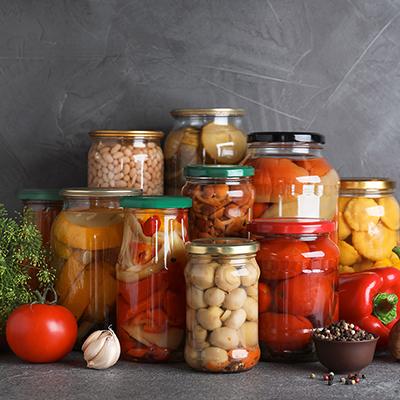
Nothing is more satisfying than harvesting fresh fruits and vegetables from your own garden. But if you've ever watched tomatoes soften too quickly or onions begin to sprout after just a few weeks, you're not alone. The good news is that many crops can stay fresh for months without relying on electricity. Learning how to store harvest long term without refrigeration is a practical skill that reduces food waste, saves money, and helps you enjoy homegrown produce long after harvest season ends.
Long before refrigerators existed, families depended on simple preservation techniques to keep food edible throughout the year. Many of those traditional methods are still effective today when paired with proper storage conditions.
Ways To Store Harvest Long Term without Refrigeration
Below are some proven methods and tips are still trusted to store harvest long term :
Start With Healthy Produce
The secret to successful long-term food storage begins before anything goes into storage. Only keep fruits and vegetables that are fully mature and free from bruises, cuts, or signs of disease. Even one damaged item can encourage mold or spoilage that spreads to nearby produce.
Avoid washing root vegetables before storing them. Excess moisture shortens their shelf life, so simply brush away loose soil and let them dry naturally.
Cure Root Crops Before Storage
Many root vegetables benefit from a curing period. Crops like potatoes, sweet potatoes, onions, and garlic develop a tougher outer skin after harvest, helping them retain moisture and resist rot.
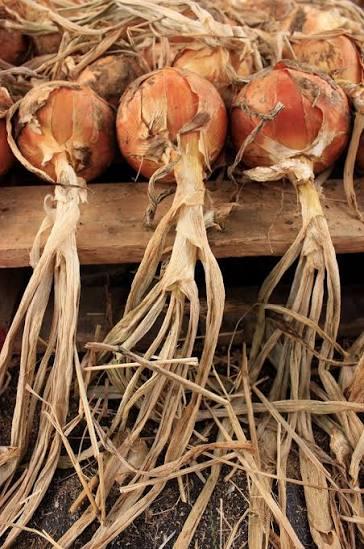
Lay them in a warm, dry, and shaded area with good airflow for several days before moving them into storage. This small step can significantly extend freshness.
Choose a Cool, Dark Location
One of the oldest methods of food preservation is storing produce in a cool, dark place with stable temperatures. Basements, root cellars, insulated sheds, or well-ventilated storage rooms all work well.
The ideal environment is cool without freezing, moderately humid, and protected from direct sunlight. Light encourages sprouting, while excessive warmth speeds up ripening.
Store Different Crops Separately
Not every fruit and vegetable gets along during storage. Apples, pears, bananas, and several other fruits release ethylene gas, a natural plant hormone that accelerates ripening. When stored beside potatoes, carrots, or leafy vegetables, they can dramatically shorten their storage life. Keeping fruits and vegetables in separate containers helps maintain quality for much longer.
Try Traditional Preservation Methods
If you want produce to last for several months, traditional food preservation techniques remain some of the most reliable options.
- Air drying works well for herbs, chili peppers, garlic, and mushrooms.
- Dehydrating vegetables removes moisture that bacteria and mold need to grow.
- Canning is suitable for tomatoes, fruits, jams, and sauces.
- Fermentation which transforms vegetables like cabbage into nutrient-rich foods such as sauerkraut or kimchi.
Using a combination of these methods allows you to enjoy seasonal harvests throughout the year.
Use Breathable Storage Containers
Plastic bags often trap moisture, creating ideal conditions for mold. Instead, choose breathable materials such as wooden crates, woven baskets, mesh bags, or cardboard boxes. Lining containers with clean paper can also help absorb excess humidity while allowing air to circulate around your produce.
Common Mistakes That Shorten Shelf Life
- Storing damp vegetables before they have dried.
- Mixing fruits that produce ethylene gas with sensitive vegetables.
- Keeping produce in warm rooms exposed to sunlight.
- Overfilling containers, which limits airflow.
- Ignoring spoiled produce during routine checks.
- Correcting these habits can extend storage time by weeks or even months.
Well, learning how to store harvest long term without refrigeration doesn't require expensive equipment. With careful harvesting, proper curing, breathable storage containers, and time-tested food preservation methods, many fruits and vegetables can stay fresh far longer than most people expect.
Related Plant Tips
Ultimate Drip Irrigation Setup for Balcony or Rooftop Gardens That Keeps Plants Thriving
If you love growing vegetables, or flowering plants in small urban spaces, a drip irrigation setup for balcony or roofto…
Read →Nutrient Requirements for Healthy Bean Plants: The Details of the Extra Food
When you understand about the nutrient requirements for healthy bean plants, it would be much simpler for you to provide…
Read →