9 Kind of Plants That Attract Hummingbirds
Have you ever heard of the unique beautiful bird called Hummingbirds?. It is often called nature’s living jewels, and is among the most captivating creatures in any garden. These tiny, energetic birds bring life, color, and movement to outdoor spaces, making them a delight to observe. If you want to attract hummingbirds to your garden, you must do is planting the right flowers.
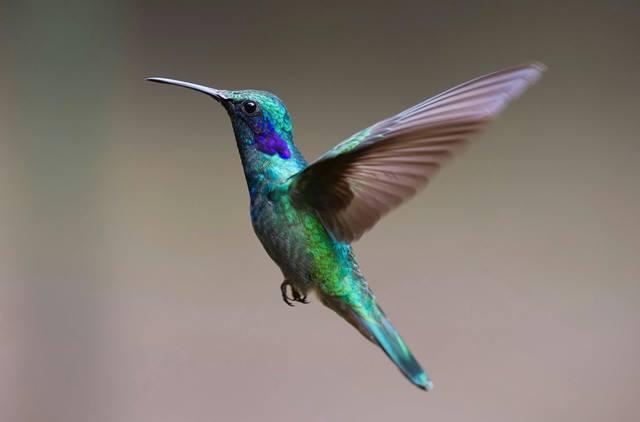
Hummingbirds are naturally drawn to brightly colored, nectar-rich plants that provide them with the energy they need to fuel their high-speed wings and rapid metabolism. Here are some of the most attractive plants that attract hummingbird haven.
1. Trumpet Vine (Campsis Radicans)
With its striking, trumpet-shaped flowers in shades of orange and red, the trumpet vine is a magnet for hummingbirds. This fast-growing climber thrives in full sun and requires minimal maintenance, making it a perfect choice for covering fences or trellises. However, it can be invasive, so regular pruning is recommended.
2. Bee Balm (Monarda)
Bee balm is a hummingbird favorite, thanks to its bright, tubular flowers that bloom in shades of red, pink, and purple. Not only does it provide ample nectar, but it also attracts butterflies and bees, enhancing biodiversity in your garden. Bee balm thrives in sunny locations with well-drained soil.
3. Cardinal Flower (Lobelia cardinalis)
The next plants that attract hummingbirds named for its brilliant red blossoms, the cardinal flower is one of the most effective plants for attracting hummingbirds. These flowers produce deep, nectar-rich blooms that hummingbirds love, especially in late summer. They prefer moist soil and partial shade, making them ideal for planting near water features or in rain gardens.
4. Fuchsia (Fuchsia spp.)
Fuchsia’s dangling, bell-shaped flowers come in vibrant shades of pink, red, and purple—colors that naturally attract hummingbirds. Often grown in hanging baskets, these plants offer convenient access for hovering birds. They thrive in shaded areas, making them a great option for patios and porches.
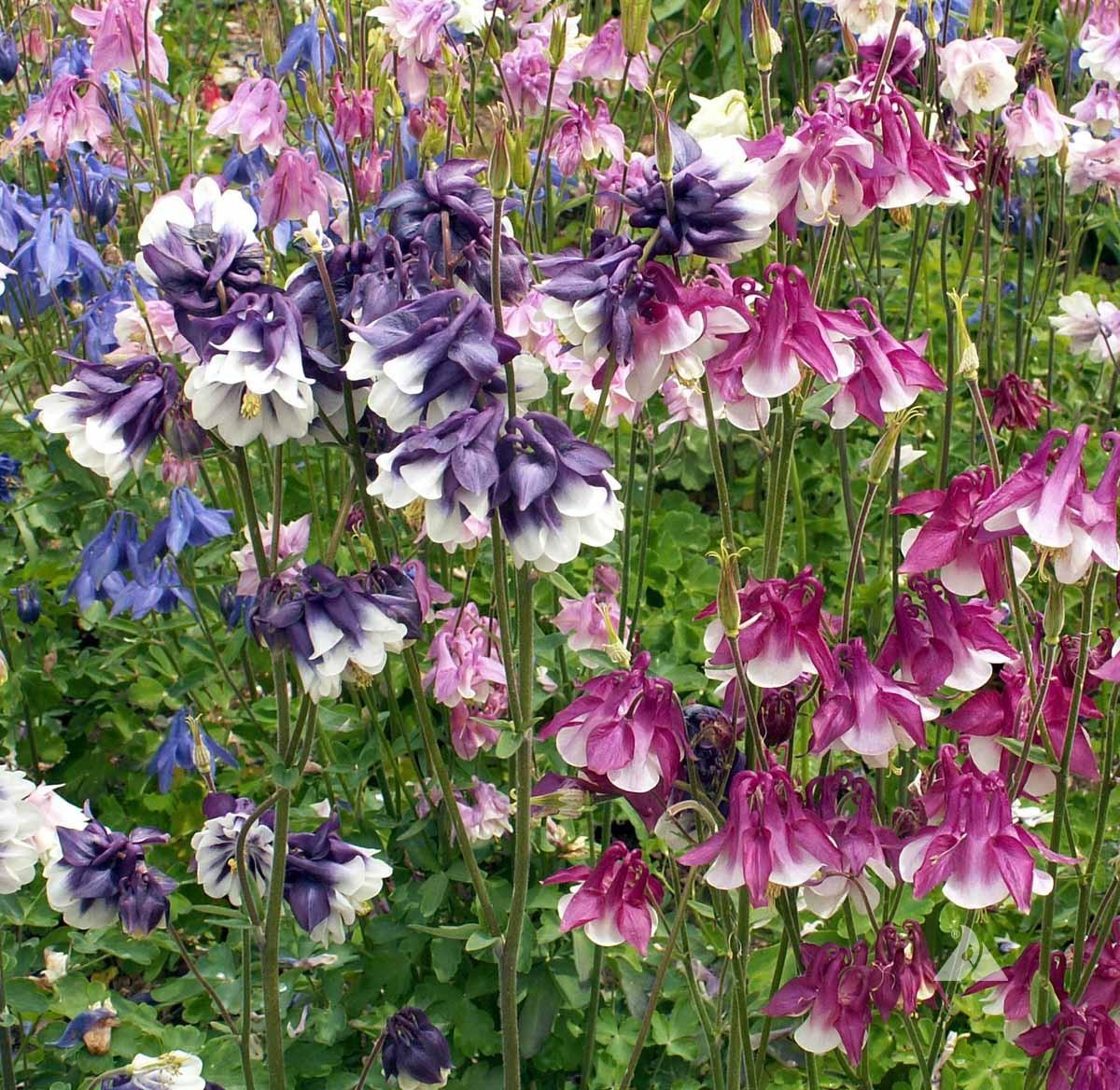
5. Columbine (Aquilegia)
Columbine’s delicate, spurred flowers bloom in early spring, providing an essential nectar source for migrating hummingbirds. Available in various shades, including red and orange, these flowers flourish in partial shade and are excellent for woodland gardens.
6. Salvia (Salvia spp.)
Salvia, or sage, is a diverse plant family with many species that hummingbirds adore. Red, blue, and purple salvias are especially attractive to these tiny birds. Perennial varieties like Salvia guaranitica (Anise-scented sage) and Salvia coccinea (Scarlet sage) provide long-lasting blooms throughout the season.
7. Coral Honeysuckle (Lonicera sempervirens)
This non-invasive honeysuckle variety produces clusters of tubular red and orange flowers, perfect for attracting hummingbirds. Unlike Japanese honeysuckle, coral honeysuckle is native to North America and benefits local ecosystems. It thrives in full sun and well-drained soil.
The Coral Star honeysuckle is a lovely variety to order online, covering a trellis with coral-red, hummingbird-ready blooms through the season.8. Lupine (Lupinus spp.)
Lupine is a stunning plant with spiky, colorful flower clusters that hummingbirds find irresistible. These perennials thrive in well-drained soil and add a dramatic vertical element to garden beds. Their nectar-rich blooms make them a valuable food source for hummingbirds and bees alike.
9. Butterfly Bush (Buddleia)
Though primarily known for attracting butterflies, this shrub’s nectar-rich flowers also draw in hummingbirds. The long, cone-shaped flower clusters bloom in vibrant colors like purple, pink, and white. Butterfly bush is easy to grow and provides blooms from summer to fall.
Well, once you know what kind of plants that attract hummingbird, keep in mind to care for your garden such as avoiding pesticides and be sure to provide perches and water sources that will further enhance your garden's attractiveness. Hummingbirds need places to rest, so including small trees, shrubs, and trellises can make a difference.
Related Plant Tips
These Best Banana Varieties For Home Growers in Southeast Asia, Produce More Fruit Than You Think
Bananas are among the easiest and most rewarding fruits to grow in tropical climates. However, choosing the best banana …
Read →
20 Best Fruit Trees For Small Tropical Backyards And Limited Spaces Which Are Easy To Grow!
If you think you need a large garden to grow fresh fruit, think again. Choosing the best fruit trees for small tropical …
Read →
When to Cut Crape Myrtles: The Best Time for Healthy Growth
Crape Myrtles are known for their beautiful summer flowers and ability to grow in warm places. However, the right timing…
Read →